

Senior

Finding a Doctor Who Comes to Your Home in Texas

August 04, 202611 min read

Bringing an elderly parent or loved one home from the hospital is often a moment of mixed emotions. There is relief, but it is quickly followed by a wave of responsibility and concern. You are handed a stack of paperwork with discharge instructions, new prescriptions, and follow-up appointments, and suddenly, you are the primary caregiver. This gap between the structured support of a hospital and the reality of home care is where many families feel lost.

This is more than just an inconvenience; it is a critical point where patient safety is at risk. I saw this problem firsthand when my patients struggled alone after discharge, confused about their health plans. I realized then that a doctor’s responsibility must extend beyond the hospital walls. We cannot simply discharge patients and hope for the best. We must ensure they have a clear plan and real support when they get home.

This guide is for Texas families who are looking for that support. It is designed to give you a clear, actionable plan for finding the right care for your loved one. Securing physician visits senior home care near texas is one of the most important steps you can take to ensure a safe and successful recovery at home, and this article will show you how to do it.


Why At-Home Physician Care is a Lifeline After the Hospital

After a hospital stay, an older adult is in a fragile state. Their body is recovering from an acute illness, they may be on new medications, and their mobility might be limited. Sending them out to a doctor’s office for a follow-up appointment can be physically taxing and risky. At-home physician care is not a luxury; it is a fundamental part of a safe transition from hospital to home.

The primary goal is to prevent a return trip to the hospital. Studies show that up to one in five Medicare patients are readmitted to the hospital within 30 days of discharge. Many of these readmissions are preventable. A doctor who visits the home can identify and address problems before they become emergencies. They can see, with their own eyes, the challenges a patient is facing. Is the home safe? Are they taking their medications correctly? Are they eating and drinking enough? These are questions that are difficult to answer in a 15-minute office visit.

A home visit allows a physician to provide truly personalized care. It bridges the gap between the hospital’s sterile environment and the patient’s real life, leading to better health outcomes and giving families peace of mind.

Key benefits of in-home physician care include:

  • Reduced Hospital Readmissions: By managing conditions proactively and catching complications early, home visits keep patients stable and out of the emergency room.

  • Comprehensive Medication Management: A doctor can review all medications, including prescriptions and over-the-counter supplements, right where the patient stores them. This helps prevent dangerous drug interactions and ensures the patient understands their regimen.

  • In-Home Safety Assessments: The physician can identify potential fall hazards, such as loose rugs or poor lighting, and recommend modifications to make the home safer.

  • Improved Chronic Disease Management: For patients with conditions like heart failure, COPD, or diabetes, regular in-home check-ups provide the consistent oversight needed to manage their health effectively.

  • Reduced Patient and Caregiver Stress: Eliminating the logistical challenge of transportation to a doctor’s office removes a significant burden from both the patient and their family.


Understanding Your Options for In-Home Doctor Visits in Texas

When you start searching for a doctor who makes house calls, you will find that several different models of care exist. Understanding these options will help you choose the right fit for your loved one’s specific needs. These are some of the most common options for in-home care of elderly individuals in Texas.

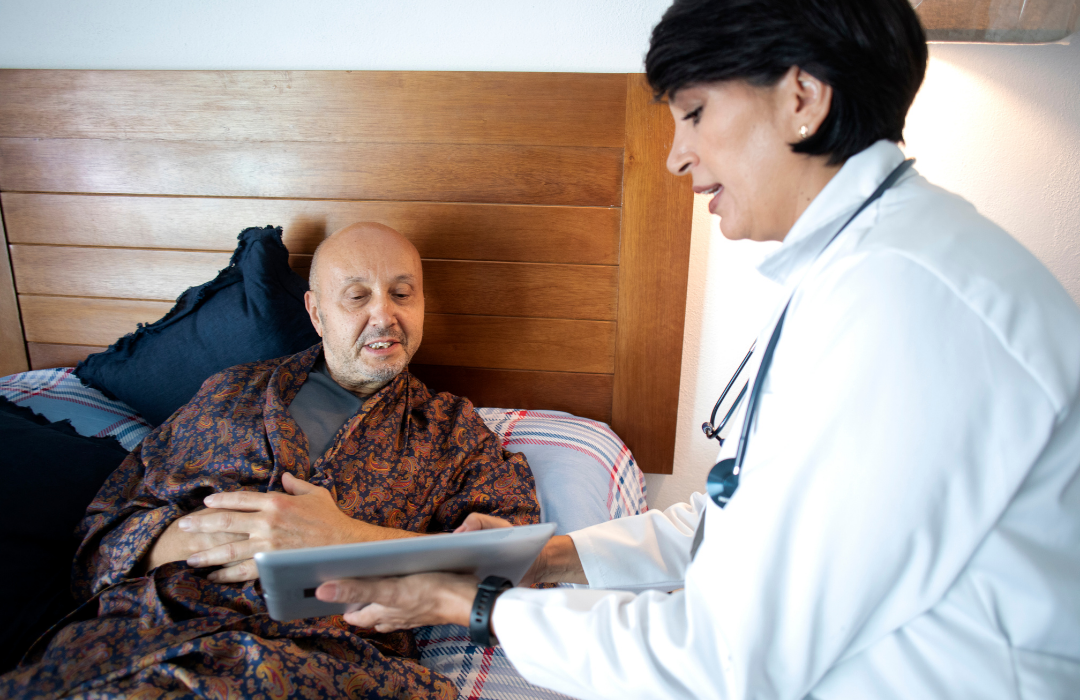
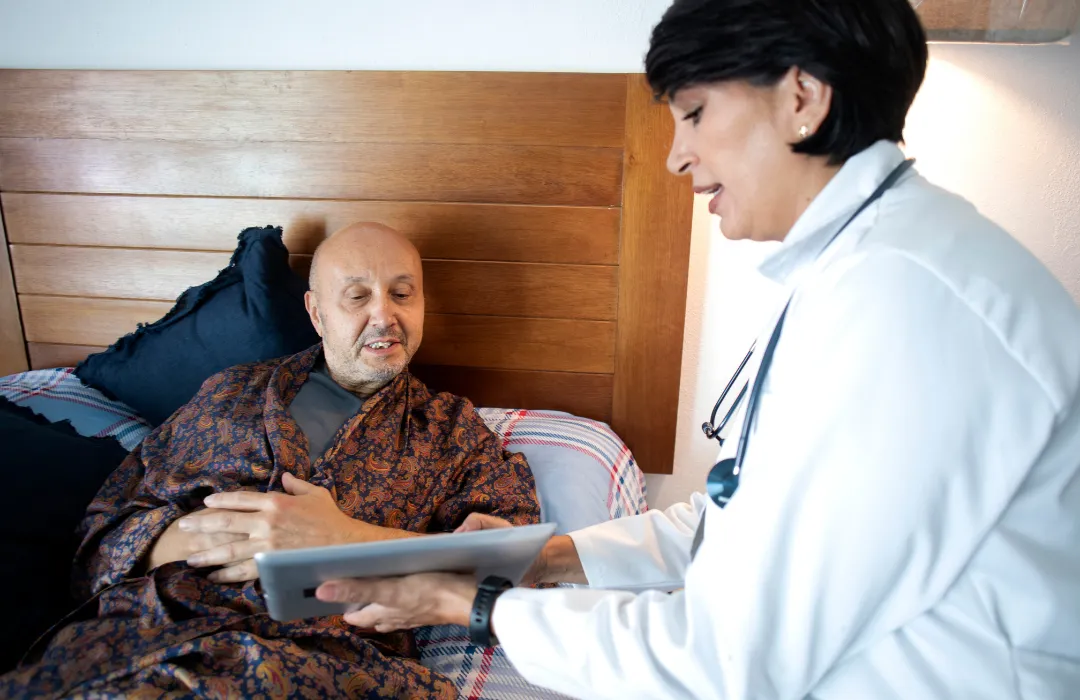
Physician home visits for seniors are medical appointments where a doctor, nurse practitioner, or physician assistant provides care directly in a patient’s residence. This service is designed for elderly individuals who are homebound or find it difficult to travel. It ensures continuous medical supervision, helps manage chronic conditions, and reduces the risk of hospital readmissions after a discharge.

Here is a breakdown of the types of services you may encounter:

1. Traditional House Call Doctors

These are often solo practitioners or small private practices that have dedicated a portion of their work to seeing patients at home. This model offers a very personal level of care, as you will likely see the same doctor for every visit. The downside can be limited availability, especially for after-hours or urgent needs, as the practice may not have a large support staff. This is a great option for patients who need consistent, relationship-based primary care but do not have extremely complex medical needs requiring a large team.


2. Visiting Physician Associations


These are larger medical groups organized specifically to provide Home doctor visits for the elderly. They typically employ a team of doctors, nurse practitioners, and physician assistants who work together to cover a specific geographic area. An association offers more robust coverage, including better availability for urgent visits and on-call support. When you search for “Visiting Physicians near me,” you are likely to find these types of organizations. While you may not see the same provider every time, the group works from a shared electronic health record to ensure continuity of care.


3. Comprehensive Home-Based Primary Care (HBPC)


This is the most intensive model of in-home care, designed for patients with multiple chronic conditions and significant functional limitations. HBPC is delivered by an interdisciplinary team that may include a physician, nurse practitioner, social worker, pharmacist, and other specialists. The team works together to manage all aspects of the patient’s health, from medical needs to social and emotional support. This model is ideal for the most vulnerable seniors, providing a level of integrated care that can help them avoid nursing home placement and stay safely at home.


How to Find and Vet Home Visiting Physicians


Finding the right provider requires a proactive approach. You cannot wait until the day of discharge to start looking. The process involves research, asking the right questions, and confirming that the provider is a good fit for your family’s needs. Here is a step-by-step guide to help you find and choose from available Home Visiting physicians.


  1. Start with the Hospital Discharge Planner. Your first call should be to the case manager or discharge planner at the hospital. They are on the front lines of this process and often have a list of local physicians and agencies that provide in-home care. They understand the system and can be your most valuable resource. Be direct: “We need to arrange for physician visits senior home care near texas for my mother. Who do you recommend?”

  2. Check with the Insurance Provider. Contact your loved one’s insurance company, whether it is traditional Medicare, a Medicare Advantage plan, or private insurance. They can provide a list of in-network providers that offer house calls. This is a critical step to ensure that the services will be covered and to avoid unexpected out-of-pocket costs. Ask for a list of “in-network primary care physicians who make home visits.”

  3. Search Online Directories and Resources. Use targeted online searches to find providers in your area. Use specific phrases like “In home doctor visits near me” or “house call doctors in [Your City], Texas.” Reputable sources include the American Academy of Home Care Medicine (AAHCM), which may have a provider directory. You can also check with your local Area Agency on Aging for recommendations.

  4. Ask Key Questions During Your First Call. Once you have a list of potential providers, it is time to vet them. Do not be afraid to interview them over the phone. You are entrusting them with your loved one’s health. Here are some essential questions to ask:

  5. What types of patients do you typically see? (Ensure they have experience with seniors or patients with similar conditions).

  6. Who will be providing the care? (A doctor, a nurse practitioner, or a physician assistant?).

  7. How often do you typically visit patients after a hospital discharge?

  8. What is your availability for urgent, same-day visits?

  9. Who covers for you when you are on vacation or unavailable?

  10. What is your protocol for emergencies? Do you coordinate directly with 911?

  11. How do you communicate with the patient’s family and other specialists?


The Role of Medicare in Covering Home Health Services


For most seniors, the question of cost is a primary concern. The good news is that Medicare does cover physician house calls and other home health services, but there are specific criteria that must be met. Understanding these rules is essential for accessing the benefits your loved one is entitled to.


Medicare Part B (Medical Insurance) covers physician visits that take place in your home. For this to be covered, the provider must certify that the patient is “homebound.” This is a key term with a specific definition. A patient is considered homebound if:


  • They need the help of another person or medical equipment such as crutches, a walker, or a wheelchair to leave their home.

  • OR their doctor believes their health could get worse if they leave home.

  • AND it is a taxing effort for the patient to leave their home, and they typically cannot do so.


A homebound patient can still leave home for short, infrequent absences for non-medical reasons, such as attending a religious service or a special family event. Leaving home for medical care, like a specialist appointment or dialysis, does not disqualify them. The physician making the house call must document in the medical record why the patient is homebound.


For broader home health care for elderly on Medicare, which includes services like skilled nursing, physical therapy, and occupational therapy, similar rules apply. The patient must be certified as homebound and require skilled services on an intermittent basis as ordered by a doctor.


Always confirm coverage directly with the physician’s office before scheduling the first visit. Their billing staff should be able to verify your loved one’s Medicare benefits and explain any potential copayments or deductibles.


Frequently Asked Questions


H3: Will Medicare pay for home care for seniors?


Yes, Medicare can pay for home care if certain conditions are met. For physician house calls under Part B, the patient must be certified as homebound. For skilled nursing or therapy services under Part A or Part B, the patient must be homebound, under a doctor’s care, and in need of intermittent skilled care. Medicare does not cover 24-hour care at home or personal care services like meal preparation or bathing if that is the only care needed.


H3: What should you do when you can no longer care for an elderly parent?


It is a difficult and emotional situation. The first step is to have an honest conversation with your parent about their needs and wishes. Next, consult with their primary care doctor to get a full picture of their medical needs. You can then explore options such as hiring a home health aide for personal care, arranging for skilled home health services, or considering assisted living or a nursing home if their needs are too great to be met safely at home. Your local Area Agency on Aging is an excellent resource for guidance and support.


H3: Does home care reduce hospital readmissions?


Yes, high-quality home care has been proven to significantly reduce hospital readmissions. When a doctor or nurse sees a patient in their own environment, they can manage medications, address safety risks, and identify warning signs of a declining condition before it becomes a crisis. This proactive, personalized approach is key to keeping seniors stable and healthy at home.


H3: What are the signs that an elderly person’s health is deteriorating?


Family members should watch for subtle but important changes. Key signs include unexplained weight loss, increased falls or unsteadiness, growing confusion or memory loss, a decline in personal hygiene, neglecting to take medications, withdrawing from social activities, and a noticeable loss of energy or appetite. If you observe these signs, it is important to schedule a medical evaluation promptly.


Taking the Next Step for Safer Senior Care at Home


Ensuring a loved one is safe after they leave the hospital is one of the most important responsibilities a family can undertake. The healthcare system is complex, and it is easy for vulnerable patients to fall through the cracks. But you do not have to let that happen.


Arranging for a doctor to provide care in the home is a proactive, powerful step. It closes the dangerous gap between hospital and home. It provides a layer of professional oversight that can prevent medication errors, catch complications early, and reduce the immense stress placed on family caregivers. It is about treating our elders with the dignity and responsibility they deserve.


Do not wait for a crisis to occur. Use the information in this guide to start your search today. Ask questions, be persistent, and advocate for the care your family member needs. You have the power to create a safer, healthier environment for them at home.


Surrogate Family Care, LLC

Surrogate Family Care, LLC

Surrogate Family Care is a home health agency based in New York State providing in home care services and in-home and telehealth urgent care services.

LinkedIn logo icon
Back to Blog