For LGBTQ+ Older Adults Recovering at Home: You Have a Doctor in Your Corner
LGBTQ+ older adults living alone face higher risks during hospital discharge. We know what prevents these complications.
Decades of medical mistrust don't disappear at discharge. For LGBTQ+ older adults, they follow the patient home and shape every decision that comes next.
Consider this: a 68-year-old woman is discharged after a cardiac procedure. Her partner of twenty-two years was at her bedside every day during the admission. The discharge instructions list her estranged sister as next of kin because that's what was in the old file, and no one updated it. The home care referral goes out with no mention of her partner, no acknowledgment of who will actually be in the home, and no note that she stopped trusting doctors until her forties after years of being treated as a problem to be managed rather than a patient to be heard. She gets home. She's uncertain about one of her new medications. She doesn't call anyone.
We've seen this pattern with patients across New York City and the surrounding counties. The clinical gaps after discharge are real for everyone. For LGBTQ+ older adults, those gaps are wider, and the reasons are specific.
Most discharge planners are not asking the right questions. They are checking boxes. We take ownership of what happens after the box is checked, because what happens next is where patients get better or don't.
We've coordinated hundreds of transitions from hospital to home. LGBTQ+ older adults face specific barriers that most discharge planners miss. Many live alone by choice or circumstance. Many have complicated relationships with biological family. Some have learned to minimize their identity when dealing with healthcare providers. These factors create dangerous gaps in post-hospital care.
What Happens When You Come Home Alone
LGBTQ+ older adults live alone at much higher rates than other patients. Many have smaller family networks or relationships that were severed decades ago. They rely on chosen family and close friends, and that support is real. But chosen family cannot be there at 2 AM when chest pain starts or when confusion from new medications creates panic.
The first 30 days after hospital discharge are when patients fall through the gaps. The body is recovering from illness or surgery. New medications cause side effects the patient has never experienced. A urinary tract infection develops. Blood pressure drops too low. What starts as dizziness becomes a fall, and the fall becomes another hospitalization. For someone living alone, there is no one to notice the early warning signs that we know how to catch.
One in five Medicare patients returns to the hospital within 30 days of discharge. Most of those readmissions are preventable. What prevents them is a physician who understands the discharge plan, monitors for complications, and can respond quickly when something changes. This is not theoretical. We have seen this pattern with hundreds of patients living alone.
The Barriers Are Not Just Medical
For many LGBTQ+ older adults, the obstacles to post-hospital care run deeper than logistics. They include justified wariness about a healthcare system that has not consistently treated them with respect.
We know from data that LGBTQ+ older adults hesitate to disclose their identity to providers. They report less confidence that their doctors are informed about their needs. They delay necessary care because of past negative experiences. When you have been dismissed or judged by healthcare providers, trusting again requires courage.
This creates a dangerous pattern that compromises medical outcomes:
Symptoms get downplayed because sharing the full clinical picture feels unsafe
Follow-up appointments get postponed when the clinic environment feels hostile
Recovery happens without support from people who understand the patient's life
Stress from navigating unwelcoming systems slows physical healing
This pattern is not inevitable. It results from a healthcare system that needs to do better. But patients do not have to wait for systemic change. They can choose providers who understand that respectful care improves outcomes.
What Home-Based Physician Care Can Do Differently
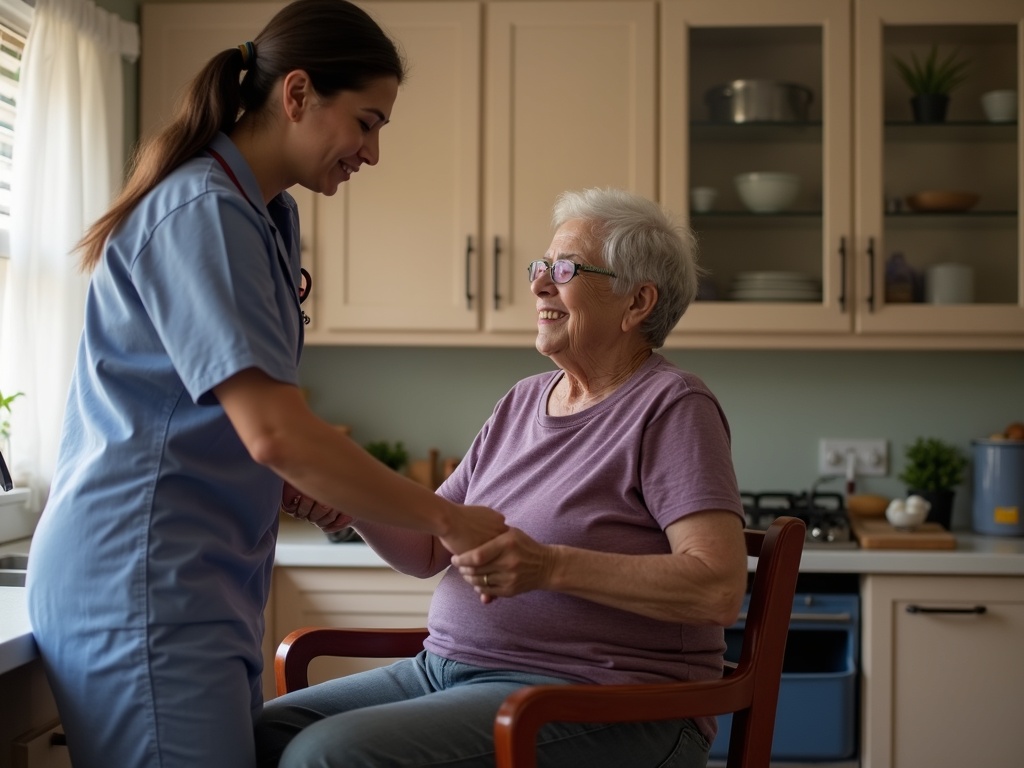
When we visit patients at home, everything changes. The patient is in control of their environment. They sit in their own chair, surrounded by their own belongings. No waiting rooms. No intake forms that miss the point. No front desk staff making assumptions about who belongs in the room with them.
For LGBTQ+ older adults, this removes the barriers that make honest conversation impossible. We see who actually lives in the home. We understand the real support network, not what the hospital discharge planner assumed. The care plan reflects that reality.
This is what becomes possible with home visits:
In-Home Physician Care
Same-day urgent care appointments, in the home
Home-based physician visits for older adults and veterans. Call and get a same-day appointment. Serving NYC, Nassau, Suffolk, Westchester, Putnam, and Duchess counties.
Request a Home Visit or call (516) 806-2223
Medication management done right
We sit at the kitchen table with every medication bottle in the house. One accurate list. No confusion about what was stopped in the hospital versus what should continue at home. This prevents the medication errors that send patients back to the emergency room within 48 hours. For patients managing medications alone, this review is not optional.
A home safety assessment
We see what no clinic visit can show us: the throw rug that shifts underfoot, the bathroom without grab bars, the dim hallway between bedroom and bathroom at night. These are the conditions that cause falls. We identify them and address them during the visit. Most agencies skip this step entirely.
A single point of contact
One physician. One phone number. One relationship that continues. When something changes or feels wrong, there is no starting over with a new doctor who knows nothing about the patient's history. We know their baseline. We know what normal looks like for them. We respond the same day when needed.
Care that works around the actual situation
Many older adults do not have adult children nearby. Some depend on a longtime partner, a close friend, or a neighbor who checks in daily. Hospital forms do not recognize these relationships. Home-based care does. We work with whoever is actually providing support, not whoever the system expects to see.
What We Watch for in the First Weeks After Discharge
We know which warning signs prevent a safe recovery. These symptoms require immediate physician evaluation, not a wait-and-see approach:
Worsening fatigue or weakness that interferes with basic activities
New confusion or memory problems that developed after hospitalization
Fever, increasing pain, or surgical sites that appear infected
Breathing difficulties or swelling in legs that was not there before admission
Medication confusion about dosing, timing, or which pills to continue
Persistent sense that something is wrong, even when you cannot name it
These warning signs require physician assessment, not watchful waiting. Early intervention prevents rehospitalization. We've seen hundreds of patients where a same-day home visit caught a problem before it became an emergency.
Why This Matters for Home-Based Care
LGBTQ+ older adults face recovery with fewer family supports and higher rates of social isolation. We know this makes post-hospital transitions more dangerous.
Good medical care means understanding the patient's actual situation. Not the nuclear family the discharge planner assumes exists. Not the support system that looks right on paper. The real circumstances at home.
For patients navigating recovery alone, home-based physician visits are not optional. This is the standard of care that prevents rehospitalization and keeps people home safely.
We provide same-day urgent care visits at home, skilled nursing, medication management, and coordination with specialists. Every patient gets a physician who understands the full clinical picture and takes responsibility for the transition.
If you or someone you care about is coming home from the hospital, call (516) 806-2223. We provide in-home physician visits serving NYC, Nassau, Suffolk, Westchester, Putnam, and Duchess counties.
Same-day urgent care available.
Next Step
Request In-Home Care Services
Homemaking, personal care, companion care, skilled nursing, therapeutic services, and home-based physician visits. Serving NYC, Nassau, Suffolk, Westchester, Putnam, and Duchess counties.
Request Services or call (516) 806-2223