Why In-Home Doctor Visits are Good for Older Adults
Senior Care
The day a loved one comes home from the hospital should be a relief, but for many families, it’s the start of a new kind of worry. The structured, 24/7 care of the hospital disappears, replaced by the quiet uncertainty of home. You are left with a stack of discharge papers, a bag of new medications, and a list of follow-up appointments that feel a world away.
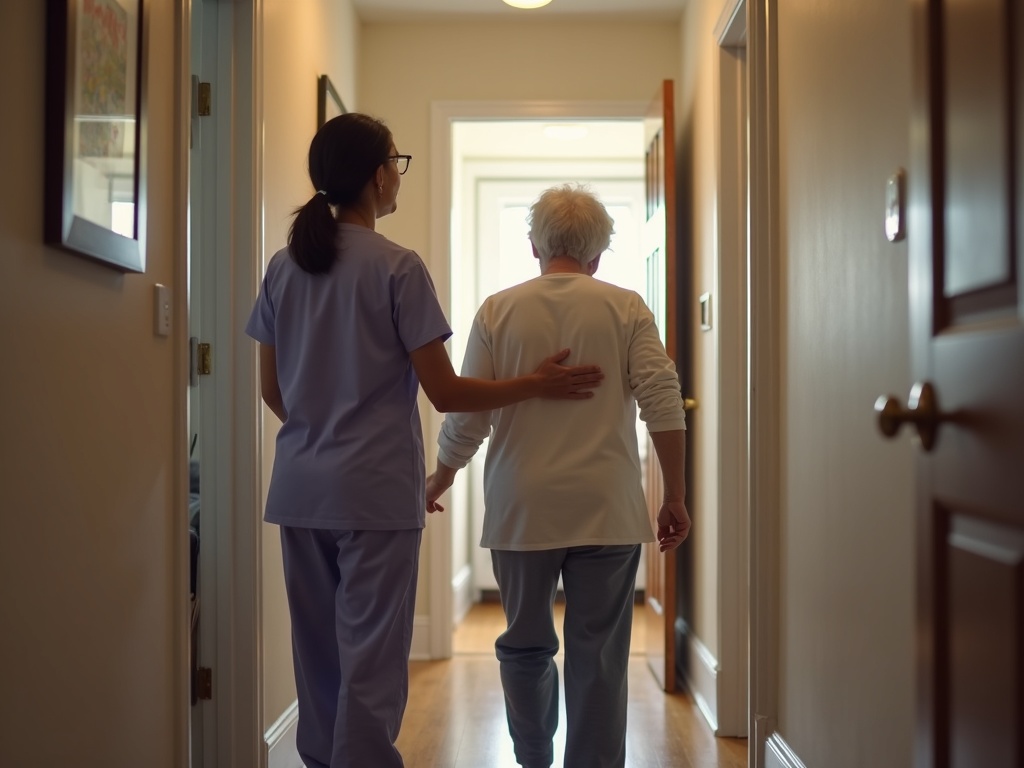
I saw this problem firsthand early in my career. Too many of my older patients would leave the hospital, only to end up back in the emergency room weeks later because they were alone and confused about their care plan. I realized then that my responsibility as a physician didn’t end at the hospital door. This gap between professional medical care and independent living at home is where vulnerable patients fall through the cracks.
This care gap is not just an inconvenience; it is a serious risk to health and recovery. The good news is that there is a responsible way to bridge it. Finding reliable in home doctor visits near me is a key step to ensure safety, support proper recovery, and provide peace of mind for older adults and their families.
The Risky Journey from Hospital to Home
Leaving the hospital is one of the most vulnerable times for an older adult. The body is still healing, new medications have been introduced, and the familiar routines of home have been disrupted. Without a solid support system in place, this transition can be filled with hidden dangers that often lead to setbacks or even readmission. As physicians, we must ensure our patients have a safe plan that accounts for these real-world challenges.
From my experience in care transitions, the risks are predictable and preventable. Patients and their families often face a confusing landscape of instructions and responsibilities. The challenge is that these issues arise not in the doctor’s office, but in the living room, the kitchen, and the bathroom. This is where professional oversight is needed most. High-quality private care for elderly at home isn’t a luxury; it’s a fundamental part of a safe recovery plan.
Here are some of the most common and dangerous challenges older adults face after being discharged:
Medication Confusion: A patient may leave the hospital with several new prescriptions. It can be difficult to understand which new pills replace old ones, what time to take them, and what side effects to watch for. This confusion can lead to missed doses, accidental overdoses, or dangerous drug interactions.
Lack of Follow-up: A discharge summary will always include instructions to follow up with a primary care physician. For an older adult with mobility issues, arranging transportation and getting to an appointment can be a significant physical and logistical burden. As a result, critical follow-up appointments are often missed, leaving developing problems unchecked.
Unseen Hazards at Home: A home that was perfectly safe before a hospital stay may now be full of risks. A new weakness could make a familiar rug a trip hazard. Difficulty preparing meals could lead to poor nutrition and dehydration. Without a professional eye to assess the home environment in the context of the patient’s new condition, these risks go unnoticed until an accident happens.Immediate Medical Support Available
When complications arise at home, patients need appropriate care that prevents minor issues from becoming major problems. Call (516) 806-2223 for same-day in-home physician visits when concerns develop.
In-Home Physician Care
Same-day urgent care appointments, in the home
Home-based physician visits for older adults and veterans. Call and get a same-day appointment. Serving NYC, Nassau, Suffolk, Westchester, Putnam, and Duchess counties.
Request a Home Visit or call (516) 806-2223
Don't wait for the next emergency room visit. In-home physician care creates a safety net that supports lasting recovery across the NYC Metro area and Hudson Valley. Call (516) 806-2223 to coordinate a home visit that addresses medication management, safety concerns, and ongoing medical needs in your loved one's familiar environment.
How Home Doctor Visits for the Elderly Create a Safety Net
The most effective way to manage the risks of a post-hospital transition is to bring medical expertise directly into the patient’s environment. In-home physician visits are designed to solve the exact problems that lead to poor outcomes. Instead of hoping a patient can manage on their own, we bring the care to them, creating a safety net that supports a full and lasting recovery.
In-home doctor visits for seniors offer three main benefits: they provide continuous medical oversight in a comfortable setting, reduce the stress and physical strain of traveling to appointments, and significantly lower the risk of preventable hospital readmissions by addressing issues like medication management and fall prevention early.
This model of care is about being proactive, not reactive. It allows a physician to see the whole picture: the patient, their environment, and their support system. This comprehensive view is something that can never be achieved in a 15-minute office visit.
Continuous, Personalized Medical Oversight
When a doctor visits a patient at home, the appointment is focused and unhurried. We can sit at the kitchen table and perform what is called medication reconciliation, which is simply making sure the new prescriptions from the hospital work safely with the ones already at home. We can check vital signs, assess wound healing, and answer questions from the patient and their family in a relaxed setting. These Home Visiting physicians become a consistent, trusted presence in the patient’s recovery journey, catching small problems before they become big ones.
Reduced Stress for Patients and Families
The logistical challenge of getting a frail, elderly person to a doctor’s office cannot be overstated. It often involves arranging transportation, navigating waiting rooms, and causing significant physical discomfort for the patient. This stress can be a major barrier to care. Home visits remove this burden entirely. The patient can remain in their favorite chair while receiving high-quality medical attention. For family caregivers, it means less time off work and less worry about the physical toll of an outing. This approach, sometimes offered by a Visiting Physicians Association, treats the family’s well-being as part of the patient’s recovery.
Lower Risk of Hospital Readmission
Nearly one in five Medicare patients discharged from a hospital is readmitted within 30 days. Many of these readmissions are preventable. An in-home physician can identify and address the root causes of hospital readmission, such as early signs of infection, medication errors, or nutritional deficits. By assessing the home for fall risks and ensuring the patient understands their care plan, we directly intervene to stop the cycle of decline that leads back to the emergency room. This is the responsible practice of medicine.
What to Look For in In-Home Care Services for Seniors Near Me
Choosing a provider for in home doctor visits near me is an important decision. You are inviting a medical professional into your home and trusting them with the well-being of a loved one. Not all services are created equal, so it is important to know what qualities to look for. The goal is to find a partner who is not just a provider, but an advocate for the patient.
A good in-home physician service becomes an integral part of the patient’s care team, supporting their desire for aging in place home care safely and with dignity. Here are four key criteria to consider when selecting a provider:
Coordination with Primary Doctors and Hospitals: The in-home physician should not replace the patient’s primary care provider but work in collaboration with them. Ask how they communicate findings and care plans with the patient’s existing doctors and specialists. Seamless communication is essential for continuity of care.
Scope of Services: What does the service provide? Look for a group that can handle both routine check-ups and urgent issues. Can they order lab work, perform X-rays at home, or manage chronic conditions like diabetes or heart failure? A comprehensive service is more equipped to handle the patient’s complete needs.
Physician Credentials and Experience: Inquire about the doctors who will be making the visits. Are they board-certified? Do they have specific experience in geriatrics or post-hospital care? You want a physician who is not only medically qualified but also understands the unique needs of older adults.
Clear Communication with Family Members: A quality provider understands that the family is part of the care team. They should be willing to provide regular updates and be accessible for questions. Ask about their communication policies and how they involve family caregivers in the decision-making process.
Frequently Asked Questions About In-Home Physician Care
Will Medicare pay for home care for seniors?
Yes, Medicare Part B covers certain in-home physician visits for patients who have difficulty leaving their homes. This is often referred to as being “homebound.” The visits must be deemed medically necessary by a doctor. Coverage details can vary, so it is best to confirm with the specific provider and Medicare.
What is it called when you take care of elderly at home?
The general term for this is home care or in-home care. This can range from non-medical help with daily activities (personal care) to skilled medical care provided by nurses or doctors. When a physician provides this care, it is often called home-based primary care or simply an in-home doctor visit.
What to do when you can no longer care for an elderly parent?
This is a difficult and emotional situation. The first step is to have an honest assessment of your parent’s needs and your own capacity. Look for support from a social worker, a geriatric care manager, or your parent’s doctor. They can help you explore options like professional in-home care services, assisted living, or skilled nursing facilities that can provide the necessary level of support.
Taking Responsibility for a Safer Recovery at Home
A physician’s responsibility for their patient should not end when the hospital discharge papers are signed. I believe we must take full ownership of the transition home, ensuring every patient has the support they need to heal safely and with dignity. The period after a hospitalization is critical, and leaving an older adult to manage it alone is a failure of our duty of care.
In-home doctor visits are the practical application of this belief. They close the dangerous gap between the hospital and the home, replacing uncertainty with professional oversight and confusion with clarity. This is more than just a convenience; it is a fundamental component of responsible medical care for older adults and veterans.
If you or a loved one are facing a return home from the hospital, I encourage you to see this service as an essential part of the care plan. By bringing medical expertise directly to the patient, we can prevent complications, reduce stress, and ensure that a hospital stay is a one-time event, not the beginning of a revolving door. Every patient deserves to be treated like family, and that means making sure they are safe and supported, especially when they are most vulnerable.
Surrogate Family Care
Premal Jani, MD · Home-Based Medicine · NYC Metro & Hudson Valley
Dr. Jani specializes in preventing the dangerous transition gaps that lead older adults back to the hospital. Surrogate Family Care provides comprehensive in-home physician visits, same-day urgent care, homemaking, personal care, skilled nursing, and therapeutic services for older adults and veterans across NYC, Nassau, Suffolk, Westchester, Putnam, and Duchess counties since 2013.
Next Step
Request In-Home Care Services
Homemaking, personal care, companion care, skilled nursing, therapeutic services, and home-based physician visits. Serving NYC, Nassau, Suffolk, Westchester, Putnam, and Duchess counties.
Request Services or call (516) 806-2223